


Documami expert
Understanding the Role of Dashboards in Contract Management
Dashboards serve as a critical tool in managing business contracts by providing a centralized view of contract risks, relevant stakeholders, and strategic tasks. They alert users to important contract lifecycle management metrics, such as renewal dates and the contract’s progress, ensuring that nothing slips through the cracks. Through effective contract monitoring and maintaining audit logs, dashboards help organizations stay on top of their contract management game, facilitating a smoother workflow and minimizing risks.
The Essence of a Contract Management Dashboard
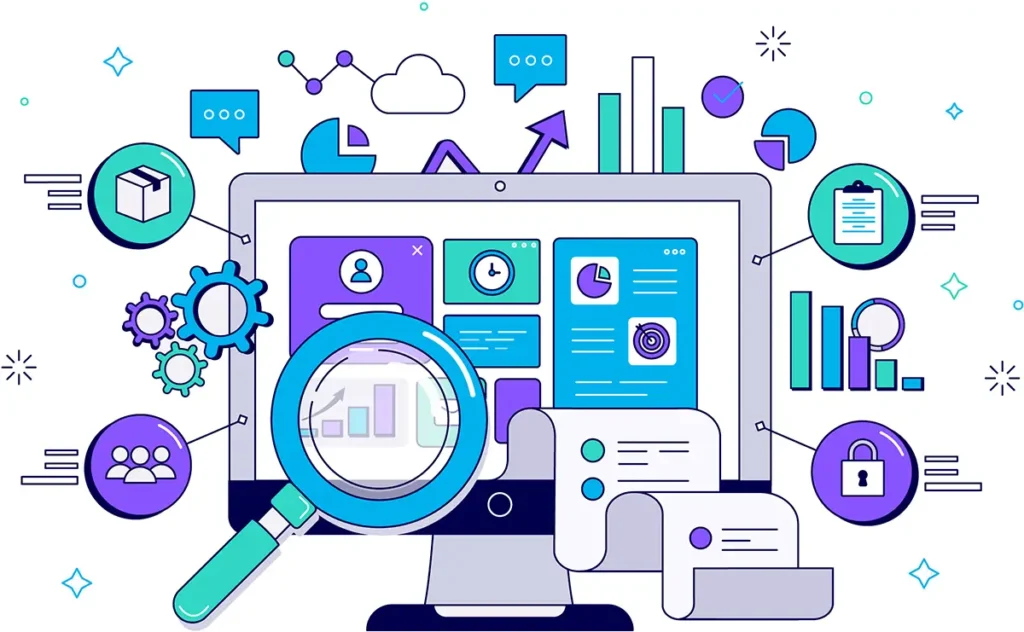
The core of a contract management dashboard lies in its ability to provide a unified, real-time view of all contract-related information. It brings together various aspects of contract management, including monitoring, analysis, and reporting, into a single, accessible platform. This centralized approach not only streamlines the contract management process but also enhances decision-making and operational efficiency across departments.
Centralized Contract Tracking for Enhanced Visibility
Centralized contract tracking is a pivotal feature of any contract management system, ensuring that all contracts are easily accessible within a secure contract repository. This enables legal ops and other involved parties to efficiently manage the approval process and engage in contract negotiation with full visibility of relevant information. Such a system simplifies the oversight of all contractual agreements, making it easier to identify potential issues and ensuring that all contracts are managed effectively.
Insights & KPI Dashboard: The Heart of Contract Analytics
The insights and KPI dashboard is instrumental for legal and business teams aiming to evaluate contract performance. It provides opportunities for process improvement by enabling business and legal teams to track and analyze key performance indicators (KPIs) related to contracts. This analytical component is essential for identifying trends, assessing contract efficiency, and making informed decisions that can lead to enhanced contract management strategies.

The Benefits: Why Your Organization Needs a Contract Dashboard
Implementing a contract management dashboard brings numerous benefits, including more efficient contract negotiation and a streamlined approval process. By centralizing contract documentation in a contract repository and simplifying legal ops, organizations can achieve greater efficiency and reduce the risk of errors. This improved oversight and management capability significantly enhances the contract lifecycle, leading to better outcomes for all parties involved.
Accelerated Deal Closures Through Streamlined Processes
With a contract management dashboard, organizations can significantly accelerate deal closures. Streamlined processes enabled by these dashboards reduce the time spent on contract creation, negotiation, and approval, allowing businesses to finalize deals more quickly. This efficiency not only benefits the organization’s bottom line but also enhances relationships with partners and suppliers by demonstrating a commitment to efficient and professional contract management.
Improved Compliance and Resource Savings
Enhanced compliance and significant resource savings are among the key benefits of employing a contract management dashboard. By automating the tracking of compliance requirements and deadlines, organizations can minimize the risk of penalties and legal issues. Furthermore, the efficiency gained through streamlined contract processes reduces the need for manual oversight, thereby saving on labor costs and allowing business and legal teams to allocate their resources to more strategic tasks.

Navigating the Features of an Ideal Contract Management Dashboard
An ideal contract management dashboard offers data visualization tools that transform complex contract data into actionable insights. This feature allows users to easily comprehend contract statuses, performance metrics, and other key information at a glance. Effective data visualization aids in better decision-making and ensures that all stakeholders have a clear understanding of contract dynamics.
Real-Time Contract Monitoring: A Necessity for Modern Businesses
Real-time contract monitoring is crucial for identifying potential risks and ensuring that contracts are managed proactively. Automated alerts notify relevant parties of critical milestones or issues, enabling timely intervention. This level of oversight is essential for modern businesses to maintain contract integrity and compliance, safeguarding against unforeseen challenges.
Integrating Comprehensive Contract Repositories for Complete Oversight
A comprehensive contract repository is fundamental for complete oversight of the contract drafting process and all subsequent stages. It provides a secure and organized storage solution for all contracts, facilitating easy access and management. This integration ensures that every contract is accounted for, from inception through completion, enhancing transparency and control over the entire contract lifecycle.
Advanced Search and Filter Capabilities: Finding the Needle in the Haystack
Advanced search and filter capabilities are essential for efficiently managing a large volume of contracts. These features allow users to quickly locate specific contracts or contract status information, significantly reducing the time and effort required for contract retrieval. This efficiency is particularly valuable in scenarios where timely access to contract details is critical for decision-making or compliance purposes.

The Core Components of Contract Management Dashboards
The core components of contract management dashboards include functionalities that support the monitoring, analysis, and management of contracts. These components are designed to enhance visibility, improve compliance, and facilitate the efficient handling of contracts throughout their lifecycle. By integrating these essential elements, organizations can achieve a more streamlined and effective contract management process.
KPI Dashboards: Tracking and Analyzing Contract Performance
KPI dashboards play a critical role in tracking and analyzing contract performance. They provide a clear overview of key metrics that indicate how well contracts are managed and fulfilled. This information is invaluable for assessing the effectiveness of contract management strategies and for making informed adjustments to improve outcomes.
Length of Contract Cycle and Contract Value: Key Metrics to Watch
Two of the most important metrics to monitor on KPI dashboards are the length of the contract cycle and the contract value. These metrics offer insights into the efficiency of the contract process and the financial impact of contracts, respectively. Keeping a close eye on these indicators helps organizations identify areas for improvement, ensuring that contracts are executed as efficiently and profitably as possible.
Renewal Management: Ensuring Timely Actions and Decisions
Renewal management is a crucial aspect of the contract lifecycle, focusing on the timely review and renewal of contracts. This process ensures that no critical deadlines are missed, allowing organizations to maintain continuous service and relationships. Through effective renewal management, businesses can make informed decisions about whether to continue, adjust, or terminate agreements, based on performance data and future needs. It’s about staying ahead of the curve and making strategic choices that align with long-term objectives.
Task Management Dashboard: Simplifying Collaboration Across Departments
Contract management tools integrated into a single dashboard facilitate smoother collaboration across various departments. This unified platform eliminates the silos that often complicate contract processes, enabling business teams to work together efficiently. By centralizing task assignments, updates, and communications, the dashboard ensures that everyone is on the same page, streamlining workflows and boosting productivity. This approach enhances the contract lifecycle, making it more cohesive and manageable for all parties involved.
Facilitating Contract Reporting for Diverse Teams
Contract reporting is essential for legal teams to answer critical questions and provide valuable data and insights into contract performance. A well-designed dashboard enables these teams to generate reports effortlessly, offering a comprehensive view of contract statuses, compliance, and performance metrics. This capability ensures that legal teams can quickly access the information they need to advise on contract strategies, identify potential risks, and make data-driven decisions. Effective reporting tools are indispensable for maintaining contractual health and organizational success.
Tracking Contract Closure and Accurate Forecasting
Effective contract management involves not just closing deals but also accurately forecasting future contract outcomes and performance. By tracking contract closure rates and analyzing patterns over time, organizations can predict future trends, identify potential bottlenecks, and adjust their strategies accordingly. This proactive approach enables businesses to manage their contracts more effectively, ensuring that they not only meet current objectives but are also well-positioned for future success.
The Blueprint for Implementing Contract Management Dashboards
Implementing a contract management dashboard involves careful planning and execution. It starts with identifying the specific needs of your organization and tailoring the dashboard to meet those requirements. This process includes selecting the right metrics to track, ensuring data accuracy, and integrating with existing systems for seamless operation. A well-implemented dashboard can transform contract management processes, making them more efficient, transparent, and effective.
Steps to Create a Contracts Dashboard That Meets Your Needs
Creating a contracts dashboard tailored to your needs begins with a thorough analysis of your contract management processes. Identify key performance indicators (KPIs) that matter most to your business and ensure these can be tracked and analyzed through the dashboard. Consider the user experience, ensuring the dashboard is intuitive and accessible for all relevant team members. Finally, involve stakeholders in the development process to gather feedback and ensure the dashboard meets the broad needs of the organization.
Best Practices for Setting Up and Maintaining Your Dashboard
For contract management dashboards to be effective, they must be properly set up and maintained. This involves regular updates to ensure the data remains accurate and reflects current contract statuses. Additionally, training users on how to maximize the dashboard’s features is crucial for adoption and effective use. By following these best practices, organizations can ensure their dashboards remain valuable tools in their contract management arsenal.
Ensuring Proper Access Control and Universal Adoption
Proper access control is critical in maintaining the security and integrity of contract data. By setting up user permissions, organizations can ensure that sensitive information is only accessible to authorized personnel. This approach not only protects the data but also fosters trust within the team. Furthermore, encouraging universal adoption of the dashboard across departments maximizes its benefits, ensuring that all stakeholders are engaged and can contribute to and benefit from the system.
Regular Dashboard Review and Update: Keeping Information Fresh
Regularly reviewing and updating the contract management dashboard is essential to keep the information relevant and useful. This process involves checking the accuracy of the data, adding new metrics as needed, and removing obsolete information. By keeping the dashboard current, organizations can ensure that it continues to provide valuable insights that support informed decision-making and effective contract management.

Overcoming Challenges in Tracking Contract Management KPIs
Tracking contract management KPIs can present challenges, especially when dealing with vast amounts of data and complex contracts. However, by leveraging the right tools and strategies, organizations can effectively monitor their contract performance and make necessary adjustments to their processes. This proactive approach helps identify areas for improvement and ensures that contract management efforts are aligned with organizational goals.
Identifying and Addressing Bottlenecks in the Contracting Process
By providing an overview of the status of contracts, intuitive contract management systems can help identify bottlenecks in the contracting process. This insight allows organizations to pinpoint areas where contracts are getting delayed and implement targeted solutions to address these issues. Streamlining the contracting process in this way not only improves efficiency but also enhances the overall performance of the contract management function.
Ensuring Consistent and Efficient Contract Lifecycle Management
Ensuring consistent and efficient contract lifecycle management requires actionable insights, a clear understanding of contractual obligations, and streamlined contracting processes. By focusing on these areas, organizations can effectively manage the entire contract lifecycle, from initiation through execution and renewal. This approach ensures that contracts are managed proactively, obligations are met, and value is maximized throughout the contract term.
Leveraging Technology for Streamlining Contract Management
Leveraging technology is key to enhancing contract management processes. Advanced tools and software enable organizations to manage contracts more effectively, from creation through execution. This technological support streamlines workflows, reduces manual errors, and improves overall efficiency, allowing businesses to focus on strategic activities rather than administrative tasks.
Selecting the Right Dashboard Software: A Critical Decision
Selecting the right dashboard software is a critical decision that impacts how contracts are created and managed. The software should be capable of handling the complexities of contract management, including tracking force majeure clauses and other critical contract elements. Additionally, it should offer customization options to fit the unique needs of the organization. Choosing the right software empowers businesses to manage their contracts more effectively, ensuring compliance and mitigating risks.
Customizing Your Dashboard Layout for Optimal Functionality
Customizing your dashboard layout is essential for achieving optimal functionality and ensuring that it aligns with your contract management needs. This customization involves selecting the metrics and data points that are most relevant to your business and organizing them in a way that facilitates quick access and understanding. By tailoring the dashboard to fit the specific requirements of your organization, you can enhance the digital transformation of your contract management processes, making them more efficient and effective.

Measuring Success: Evaluating Your Contract Management Dashboard
To truly understand the impact and effectiveness of a contract management dashboard, it’s essential to dive into the analysis of specific Key Performance Indicators (KPIs). These KPIs offer a clear picture of how well the contracting processes are streamlined and managed. By regularly measuring and evaluating these indicators, organizations can fine-tune their dashboards, ensuring they are as efficient and productive as possible, leading to a more streamlined contract management process.
Key Performance Indicators for Effective Contract Management
Effective contract management hinges on the meticulous tracking of several key performance indicators. These include contract compliance, ensuring all contractual obligations are met, and monitoring the contract cycle to streamline contracts managed. Additionally, keeping a close eye on upcoming renewals helps in proactive management. These contract management KPIs, when monitored through contract lifecycle management software, provide a comprehensive guide to contract optimization. They are crucial for identifying areas of improvement, ensuring that the contracting process is as efficient and beneficial as possible for the organization.
Evaluating Dashboard Effectiveness: A Continuous Improvement Process
For a contract management dashboard to remain effective, it’s vital to view its evaluation as a continuous improvement process. This involves regularly assessing how well the dashboard supports contract management processes and aids in making informed decisions. By doing so, organizations can identify any inefficiencies or areas for enhancement, ensuring that the dashboard evolves to meet changing business needs. This ongoing evaluation helps in maintaining the relevance and effectiveness of the dashboard, ultimately contributing to smoother contract management operations.
Making the Most of Your Contract Management Dashboard
To maximize the benefits of a contract management dashboard, it’s crucial for organizations to fully leverage its capabilities. This involves not only understanding its features but also ensuring it is used consistently and effectively across the organization.
Training Staff on Dashboard Usage: Ensuring Smooth Operation
Regular training sessions are key to ensuring that staff members understand how to use the contract management dashboard effectively. By incorporating dashboard usage into their daily routines, employees can more efficiently manage and monitor contracts, contributing to smoother operations and better overall performance. Training should be ongoing to accommodate updates and new features, ensuring the dashboard continues to meet the organization’s needs.
Streamlining Your Contract Management Practices for Maximum Efficiency
Streamlining contract management practices involves the strategic use of contract management dashboards. These dashboards provide a centralized platform for managing all aspects of contracts, from initiation to renewal or conclusion. By utilizing the various features and capabilities of the dashboard, organizations can simplify their contract management processes, making them more efficient and effective. This streamlined approach leads to better resource allocation, improved compliance, and enhanced overall organizational performance.

The Future of Contract Management Dashboards
As we look toward the future, contract management dashboards are set to become even more sophisticated and integral to business operations. The incorporation of advanced technologies such as AI and machine learning promises to redefine how organizations handle contract analytics, making processes more intelligent and predictive.
AI and Machine Learning: The Next Frontier in Contract Management
The integration of Artificial Intelligence and machine learning into contract life cycle management dashboards is revolutionizing the field. These technologies enhance contract analytics and automated alerts by providing deeper insights and predictive analysis, allowing organizations to foresee potential issues and opportunities within their contracts. This not only streamlines the contracting processes but also introduces a level of foresight and efficiency previously unattainable. This elevated contract intelligence is setting a new standard for how contracts are created, managed, and analyzed.
The Evolution of Contract Dashboards: Trends to Watch
The evolution of contract management dashboards is characterized by the constant introduction of innovative features and capabilities. Future trends include more intuitive interfaces, increased contract automation, and the integration of real-time collaboration tools. These advancements aim to make dashboards more user-friendly and efficient, enabling organizations to manage their contracts with greater ease and precision. As these trends continue to develop, dashboards will become even more indispensable tools in contract management and contract automation.

Concluding Thoughts: Empowering Your Contract Management Journey
As organizations continue to navigate the complexities of contract life cycle management, the role of advanced dashboards cannot be overstated. These tools offer actionable insights that significantly improve contracting processes. By harnessing the power of contract management dashboards, organizations can enhance efficiency, ensure compliance, and drive better business outcomes.
Unlocking the full potential of your contract management dashboard involves a deep understanding of its capabilities and how they can be best utilized to improve your contracting processes. By doing so, organizations can ensure they are making the most of this powerful tool, leading to more efficient and effective contract management.
Advanced contract management dashboards are transforming contract management practices by providing a single source of data for contract audit, contract automation, and enhanced reporting capabilities. This increased visibility, afforded by procurement software, enables organizations to manage their contracts more effectively, ensuring compliance and optimizing performance. As a result, advanced dashboards are becoming an essential component of successful contract management strategies.
Ultimately, the journey towards more effective contract life cycle management is ongoing, and the continuous evolution of dashboard technologies plays a crucial role. By staying informed about new developments and leveraging the full capabilities of their dashboards, organizations can maintain a competitive edge and achieve their contract management goals.
Frequently Asked Questions


