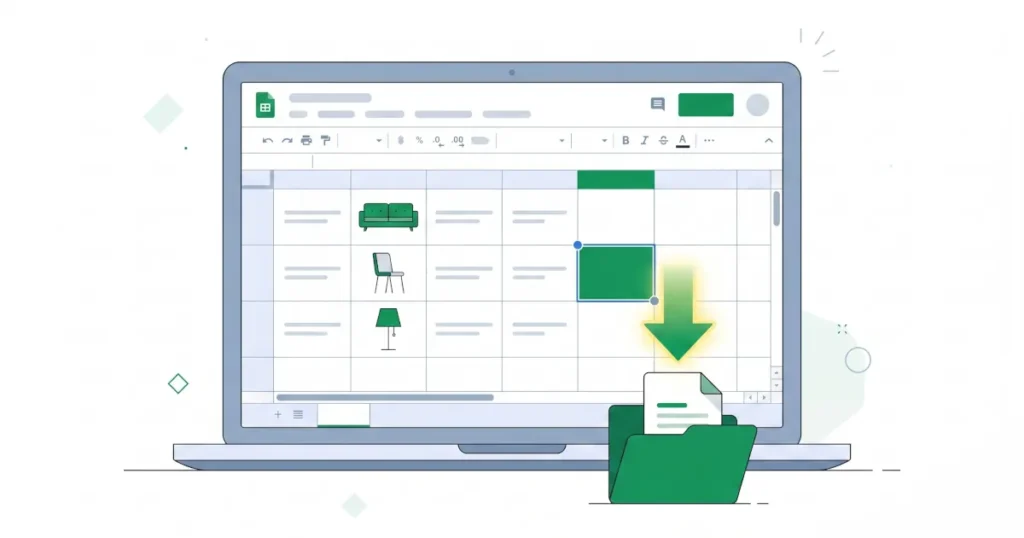
What Is Document Lifecycle Management?
(2024 update)

Documami expert
In my years of consulting, I’ve often seen businesses overlook the importance of effectively managing their document lifecycle, only to watch them scramble when critical information is misplaced or outdated. Document lifecycle management isn’t just a fancy term; it’s a strategic approach that ensures documents are efficiently managed from creation to disposal. By understanding and implementing the key stages of the document management lifecycle, businesses can enhance productivity, ensure compliance, and safeguard sensitive data.
One of the first lessons I give my clients is on the significance of version control. It’s like the secret sauce in your document management strategy, ensuring that everyone is always on the same page, literally. Without it, you risk losing crucial updates and feedback, leading to costly mistakes. Similarly, access controls and the ability to easily retrieve documents are not just about security; they’re about making sure the right people have the right information at the right time, streamlining business processes and decision-making.
So, whether you’re drafting business documents, engineering plans, or standard operating procedures, understanding the document life cycle is akin to mastering the art of organizational efficiency. It’s not just about keeping documents in order; it’s about empowering your business to thrive in an ever-evolving digital landscape.
Table of Contents
The Pillars of Document Lifecycle Management
At the core of effective document lifecycle management are robust management tools. These tools are the wizards behind the curtain, automating mundane tasks, ensuring regulatory compliance, and safeguarding sensitive data. They’re not just tools; they’re your allies in the quest for operational excellence and data integrity. In my experience, the right set of tools can transform document management from a tedious chore into a streamlined, almost magical process.
Understanding the Concept: document lifecycle stages
Grasping the concept of document lifecycle management means recognizing that each stage a document undergoes is crucial for maintaining the integrity and confidentiality of sensitive data. From the moment a document is conceived until it’s archived or destroyed, it must adhere to regulatory compliance standards. This isn’t just about ticking boxes; it’s about ensuring that your business operates within legal boundaries and avoids potential fines or legal issues. It’s a dance of precision and foresight, with each step meticulously choreographed to protect and utilize information effectively.
Different Stages of the Document: The Evolution from Creation to Archival
Imagine adding documents to your system like planting seeds in a garden. Each document created requires nurturing—through version control, traceability around your process and projects, and adherence to standard operating procedures—to grow and serve its purpose. But without proper care, you risk losing vital information. The evolution from creation to archival is not just about storage; it’s about ensuring each document’s journey adds value and supports your business’s overarching goals. It’s about not letting any ‘seed’ go to waste.
Document Creation: The Starting Point
The document life cycle begins with creation, the seed from which all information grows. Whether drafting business documents or updating existing documents, this stage sets the tone for how the document will evolve. It’s the blueprint stage, where ideas take form, and information begins its journey. In my experience, recognizing the importance of this stage is crucial for setting up documents for success in later stages of their lifecycle. Documents created at this stage will start their journey through the complete cycle of stages in the document management software controlling document flow.
Approval Processes: Ensuring Document Integrity
Once a document is created, it doesn’t mean it’s ready for prime time. Enter the approval process, the critical checkpoint where the document version of every document in your system undergoes scrutiny to ensure accuracy and completeness. It’s like the quality control step in manufacturing, where every detail is inspected before the product moves on. This stage is vital for maintaining document integrity and preventing costly mistakes down the line.
Document Storage: Secure and Accessible
With the advent of cloud storage, gone are the days of dusty file cabinets and lost documents. Secure and accessible storage means your documents are safe from physical harm and cyber threats, yet every version of the documents is readily available when you need them. It’s like having a bank vault with an open-door policy for those with the right credentials. This stage is about peace of mind and efficiency, ensuring your documents are both protected and accessible.
Effective Distribution Techniques
In my line of work, I’ve seen that the flow of data is the lifeblood of any project. Effective distribution techniques ensure that this flow is uninterrupted, keeping teams focused and in sync. From leveraging project management tools to optimizing the development cycle, these techniques boost efficiency and productivity, ensuring that the right documents reach the right people at the right time. It’s all about keeping the lifecycle process humming along smoothly.
Retrieval: Ease of Access
Ever tried finding a needle in a haystack? Without indexing documents with metadata, retrieving the information you need can feel just like that. Adhering to standards like ISO 9001 and ISO 13485 makes retrieval a breeze, ensuring documents are organized and can be swiftly located. This stage is about turning chaos into order, making sure that the latest version of the information you need is just a few clicks away.


Change Control: Managing Document Evolution
Change is inevitable, especially in documents related to complex fields like medical device manufacturing. Through meticulous change control, including input and approval from relevant stakeholders and timely engineering updates, documents evolve accurately and remain relevant. It’s akin to steering a ship through turbulent seas with a steady hand, ensuring it stays on course despite the changing tides. The document management processes ensure that every change is recorded and can be retrieved if needed, which is crucial for the digital transformation from paper documents and well as keeping up with regulatory requirements in many cases.
Document Archival: The End of the Document Journey
Just as every story has an end, so does every document version. Achieving obsolescence means recognizing when a document has served its purpose and is no longer relevant. It’s a necessary part of the lifecycle, ensuring that only current, accurate information is in circulation. This stage is about closing chapters gracefully, with archived documents making room for new stories to unfold. At the final stages of a document, you may select archiving or destruction based on regulatory requirements and your document management practices.
Enhancing Efficiency with Document Lifecycle Management Tools
Efficiency isn’t just about speed; it’s about precision, accuracy, and the seamless flow of information. Document lifecycle management tools are the backbone of this efficiency, providing the necessary document controls to navigate a document’s lifecycle effortlessly. In my experience, these tools are indispensable for businesses looking to streamline their document processes and enhance overall productivity with document management software.
Leveraging Technology for Seamless Management
As an expert in document automation and lifecycle management, I’ve seen firsthand the transformative power of leveraging technology. The right management tools can automate mundane tasks, ensure compliance, and secure sensitive data, turning potential chaos into a harmonious symphony of efficiency and control. I’ve seen how the right document management processes turn digital transformation into a significant business driver. It’s about choosing the right tools that fit your business needs and creating a seamless management experience that propels your business forward.
The Role of e-Signatures and Lean Tools
In the digital age, the role of e-signatures and lean tools in document lifecycle management cannot be overstated. They’re the unsung heroes, facilitating faster approvals, reducing paper waste, and streamlining processes. It’s like having a fast pass at an amusement park, getting you to the front of the line quickly and efficiently. These tools are essential for businesses looking to stay agile and competitive in today’s fast-paced world. No wonder e-signatures have become a standard stage of the document lifecycle in many companies.
Compliance and Quality Standards
In my years of consulting in document automation and lifecycle management, I’ve seen firsthand the transformative power of aligning with compliance and quality standards, such as ISO 9001 and ISO 13485. These standards aren’t just hoops to jump through; they’re a blueprint for maintaining the integrity of data and ensuring technical documentation is up to snuff. And believe me, being a technical writer isn’t just about putting pen to paper; it’s about weaving compliance into the fabric of your documents from the get-go.
Understanding ISO Requirements and Best Practices
Let’s talk turkey about ISO requirements, such as ISO 9001 and ISO 13485. Meeting regulatory requirements is like following a recipe for your grandmother’s famous pie; miss a step, and you’re in for a disaster. Document management processes are the kitchen where this pie is made. Incorporating elements like cloud storage isn’t just about being modern; it’s about ensuring you’re managing the document lifecycle in a way that’s both efficient and compliant. Think of cloud storage as your pantry; you want it well-stocked and organized to whip up that compliance pie without breaking a sweat.
The Importance of Document Lifecycle Management in Business
From my experience, document lifecycle management is more than a set of tasks; it’s the backbone of a thriving business. Imagine trying to build a house without a blueprint; that’s what running a business without effective document management is like. It’s not just about keeping files in order; it’s about safeguarding your intellectual property and avoiding those pesky regulatory fines that can sneak up on you. It’s about being able to plan, execute, and track every stage of a document in the document management processes. It’s about having complete control over every stage of the document lifecycle to ensure it matches exactly what your business requires.
Linking Document Management with Organizational Success
Think of document management as the golden thread that ties organizational success together. It’s like the secret sauce in your favorite burger; you might not know it’s there, but you’d miss it if it were gone. Efficient document management not only keeps your business running smoothly but also protects against the fallout from regulatory fines. In my book, that’s a win-win situation any day. Multiple stakeholders will be able to see the direct connection between the implementation of every stage of the document lifecycle and the impact on organizational success.

Skip the hard work
Finding the perfect insurance document automation solution takes time and effort.
We’ll find the perfect document automation system that fits perfectly with your needs!
The Intersection of Document Lifecycle Management and Security
In my journey through the realms of document automation and lifecycle management, I’ve learned that security isn’t just a feature; it’s a necessity. As documents traverse through their lifecycle, they carry with them sensitive data that, if compromised, could be akin to letting the proverbial cat out of the bag. Ensuring security at every stage of the document lifecycle isn’t just good practice; it’s essential for maintaining trust and integrity in your business processes.
Protecting Personal Data throughout the Document Lifecycle
Protecting personal data is not just a courtesy; it’s a mandate. In my adventures as a consultant, I’ve seen the havoc that can ensue when data protection is treated as an afterthought. It’s like leaving your front door wide open; you’re inviting trouble. Ensuring personal data is safeguarded throughout the document lifecycle is not just about avoiding fines; it’s about respecting your customers and employees.
Compliance with Deletion Deadlines: A Necessity
When it comes to document lifecycle management, adhering to deletion deadlines is not optional; it’s imperative. Think of it as cleaning out your fridge; leave things in too long, and you’re in for an unpleasant surprise. Similarly, holding onto documents past their deletion deadlines can lead to compliance issues and security risks. It’s about keeping your document management house in order, ensuring freshness and relevance at all times.
How Document Management Systems Can Help Meet GDPR Compliance
In the digital age, GDPR compliance is the new frontier. As a consultant, I’ve seen many businesses struggle with the intricacies of GDPR. It’s like navigating a maze blindfolded. However, the right document management system can be the guiding light. By ensuring technical documentation is managed correctly and deletion deadlines are met, businesses can navigate the GDPR maze with confidence, avoiding the pitfalls of non-compliance.

Advanced Document Lifecycle Management Strategies
Over the years, I’ve seen document lifecycle management evolve from simple file storage to sophisticated strategies that drive business success. It’s not just about keeping documents in a digital drawer; it’s about leveraging them to enhance operational efficiency and compliance. Advanced strategies involve a holistic approach, considering everything from creation to obsolescence, ensuring that documents serve their purpose without becoming a liability.
Embracing Flexibility in Your Electronic Quality Management System (eQMS)
As a technical writer and consultant, I’ve learned that flexibility is key when it comes to your eQMS. It’s like being a chef in a gourmet kitchen; you need the right tools and the freedom to adapt to whatever recipe you’re following. A flexible eQMS allows businesses to respond swiftly to changes in regulations or operational demands, ensuring that quality and compliance are always on the menu.
Choosing the Right Tools for Effective Management
Selecting the right tools for managing the document’s lifecycle is akin to picking the right ingredients for a five-star meal. You want quality, efficiency, and the ability to meet your specific needs. Document controls are the spices that bring out the flavor, ensuring that each document is created, reviewed, stored, and disposed of according to the highest standards. It’s about making sure your document management process is Michelin-star worthy.
Practical Insights and Case Studies
In my tenure as a consultant, I’ve collected a treasure trove of case studies that showcase the power of effective document management practices. These aren’t just stories; they’re roadmaps to success. From small businesses to multinational corporations, the principles of efficient document lifecycle management apply universally. These insights are a beacon for those navigating the often-turbulent waters of business operations and compliance.
Real-world Applications of Document Lifecycle Management
Having been in the trenches of document automation and lifecycle management, I’ve witnessed the transformative impact of these practices in the real world. It’s not just theory; it’s about practical applications that drive business efficiency and compliance. Whether it’s streamlining workflows or ensuring data protection, the principles of document lifecycle management are proven pathways to success.
How Organizations Achieve Efficiency and Compliance
As a technical writer and consultant, I’ve seen organizations turn the corner from chaos to efficiency through diligent document lifecycle management. It’s like watching a caterpillar transform into a butterfly. By embedding best practices into their operations, businesses can achieve not just compliance, but a level of efficiency that sets them apart from the competition. It’s a journey worth taking, with rewards at every turn.

FAQs Unraveled
In my adventures through the world of document lifecycle management, I’ve encountered countless questions, from the basic to the complex. Unraveling these FAQs is like delving into a mystery novel; each answer provides a clue to achieving operational excellence and compliance. Whether you’re wondering about the best tools or how to navigate regulatory landscapes, understanding the fundamentals is the key to unlocking success.
Essential Tools for Optimal Document Lifecycle Management
In my journey as a consultant, I’ve seen firsthand the transformation that workflow automation brings to document lifecycle management. These tools are not just about moving documents from point A to B; they’re about ensuring that each step is efficient, accurate, and, dare I say, a bit magical. By automating repetitive tasks, businesses can focus on what truly matters – innovation and growth. It’s like having a digital wizard at your service, turning the mundane into the extraordinary.
Why Document Lifecycle Management is a Cornerstone of Quality Standards
As a technical writer, I’ve always emphasized that quality isn’t just a buzzword; it’s the backbone of effective document management. Document lifecycle management upholds this principle by ensuring every document is accurate, up-to-date, and easily accessible. This meticulous approach not only meets but often exceeds quality standards, making it a cornerstone of organizational excellence. It’s like crafting a masterpiece; every detail matters, and document lifecycle management is the artist ensuring perfection.
Future Trends in Document Lifecycle Management
The future of document lifecycle management is as exciting as a mystery novel with an unpredictable twist. From my perspective, we’re on the cusp of a revolution, where artificial intelligence and machine learning will transform how we create, manage, and retire documents. Imagine a world where documents self-update based on real-time data or automatically archive when they’re no longer relevant. It’s a future that’s not only possible but inevitable.
Predicting the Evolution of Document Management Strategies
Looking ahead, I predict that document management strategies will become more intuitive and user-centered. The focus will shift towards creating systems that anticipate the user’s needs, making document management feel like a seamless extension of one’s thought process. It’s about turning the complex into the simple, and the cumbersome into the convenient. The future is bright, and I can’t wait to see where it leads us.
The Impact of Emerging Technologies
Emerging technologies, such as blockchain and AI, are set to redefine the landscape of document lifecycle management. Blockchain promises unparalleled security and transparency for document transactions, while AI brings the promise of intelligent document creation and categorization. Together, they offer a future where document management is not just about storage and retrieval but about smart, secure, and efficient lifecycle management. It’s like stepping into a world where documents manage themselves, and we’re just along for the ride.

A Comprehensive Conclusion: Why Document Lifecycle Management Matters
In my years of consulting on document automation and lifecycle management solutions, I’ve seen firsthand the chaos that ensues from poor document management, or as I like to call it, document anarchy. Imagine billions of paper documents swirling around offices like a never-ending blizzard. Without effective document lifecycle management, businesses are not just braving a storm; they’re risking losing crucial data to the winds of change and inefficiency. From the moment of creating a document to its final archiving, every stage of the document lifecycle demands proper controls. Without these, it’s like leaving your documents at a bus stop in 2020—unprotected and vulnerable to being whisked away or lost.
Why does this matter so much? Because in the world of business, information is both currency and commodity. Without tools to approve documents efficiently or automated workflows to manage changes, businesses expose themselves to data leaks as severe as the billion Yahoo accounts compromised in past breaches. Effective document lifecycle management, supported by robust document management software, isn’t just a best practice; it’s a shield against the vulnerabilities that plagued entities like the MOD, which found its documents at a bus stop. By implementing artificial intelligence, e-signatures, and automated workflows, organizations can navigate the critical stages of document approval and change with the precision and security required to meet standards and regulations. In conclusion, mastering the stages of the document lifecycle isn’t just about keeping documents in your system safe; it’s about ensuring your business thrives in an era where managing records effectively is not just preferred but essential for success.
Skip the hard work
Finding the perfect insurance document automation solution takes time and effort.
We’ll find the perfect document automation system that fits perfectly with your needs!