10 Essential Features for
Effective Document Management Security

Documami expert
Implementing robust document management security has become a critical necessity in our rapidly evolving digital landscape. Businesses often handle sensitive content that requires secure electronic handling and proper document access control. Therefore, optimized document management system security is paramount in reducing the risk of data breaches. Join us as we delve into the essential security features for effective document management systems to ensure your company’s paper and electronic document security is never compromised.
Table of Contents
The Importance of Document Management Security
Investing in document management security is not just about protecting your organization from cyber threats. It’s about safeguarding your reputation and ensuring operational continuity. With cloud document management systems, your data is stored securely online, providing protection against physical damage and unauthorized access. This level of security is critical for complying with legal and regulatory requirements, preventing financial losses, and maintaining the trust of your clients and stakeholders. Essentially, the integrity of your document management system reflects the integrity of your business itself.
By regularly following best practices for document management security, sensitive information can be safeguarded. By investing time in understanding and mitigating the risks you can minimize compliance issues and data breaches.
Understanding the Basics of Document and Data Security
At its core, document and data security refers to the practices and technologies used to protect your organization’s information from unauthorized access, disclosure, alteration, or destruction. This encompasses both physical documents and digital data, necessitating a comprehensive approach that addresses both aspects. Secure document and data management involves multiple layers of defense, including physical security measures, digital encryption, and access control policies. Understanding these basics is the first step toward creating a secure environment for your organization’s valuable information.
Common Risks and Threats to Document Security
Natural disasters, such as floods and fires, pose a significant risk to physical documents, while cyber threats target digital data security. Unauthorized access to your documents can lead to data breaches, compromising sensitive information like financial records and personal data protected under regulations like HIPAA for healthcare. Document and data security measures must, therefore, address both physical and digital vulnerabilities to provide comprehensive protection against these varied threats.

1. Utilizing Technology for Enhanced Document Security
Technological advancements offer powerful tools for enhancing document security. By ensuring that documents are stored in secure, encrypted repositories, organizations can protect sensitive information from unauthorized access. These technologies also enable efficient document management, allowing for quick retrieval while maintaining strict access controls. Leveraging technology in this way not only streamlines document management processes but also significantly strengthens your organization’s overall security posture.
Document Management Systems (DMS) as a Security Tool
Implementing a Document Management System (DMS) is pivotal in enhancing your company’s security posture. These systems reduce the risk of data breaches by safeguarding documents digitally, aligned with security best practices and compliance with industry regulations. They protect intellectual property from unauthorized access and mitigate the risk of human errors in document handling. A secure DMS supports the efficient management of documents, from creation to disposal, in secure data centers, helping you meet business goals with a comprehensive software solution.
Centralized Document Storage and Efficient Retrieval
Centralized document storage in a DMS significantly reduces the risk of information breaches by consolidating all documents in a single, secure location. This setup not only simplifies the management of your documents but also ensures that retrieving information is both quick and efficient. By centralizing document storage, you are taking a crucial step towards safeguarding sensitive information and enhancing the overall security of your document management processes.
Security, Access Control, and Document Workflow Automation
Ensuring only authorized personnel have access to sensitive documents is a cornerstone of document security. A DMS enhances this aspect by incorporating robust access control mechanisms and automating document workflows. This means that every document’s journey through your organization is tracked and controlled, minimizing the chances of unauthorized access and ensuring that sensitive information remains secure throughout its lifecycle.


Skip the hard work
Finding the perfect document management solution takes time and effort.
We’ll find the perfect document automation system that fits perfectly with your needs!
2. Transitioning from Physical to Digital: The Role of Digitization
The shift from physical filing cabinets to digital repositories marks a significant advancement in document management. This transition not only frees up physical space but also introduces enhanced security measures for your documents. Digitization reduces the risk of physical damage and loss, while also making it easier to implement advanced security protocols that protect your digital documents from cyber threats.
Converting Paper Documents to Digital: Methods and Benefits
Converting paper documents to digital formats involves scanning and indexing them into a document management system. This process makes documents easily searchable and accessible, while significantly enhancing security. Benefits include improved efficiency, reduced storage costs, and enhanced disaster recovery capabilities. Digitally stored documents can be encrypted, access-controlled, and monitored, providing a secure environment that paper documents simply cannot match.
The Impact of Digitization on Document Management Security
Digitization has profoundly impacted document management security by introducing stringent security measures for electronic documents. Enhanced encryption, secure access controls, and the ability to track document access history have significantly reduced the risk of unauthorized access. Digitization also facilitates regular security updates, ensuring that the document management solution stays ahead of potential security threats and compliance issues.

3. Ensuring Robust Access Control Measures
In the realm of document management, controlling access to sensitive information is paramount. To streamline the process, organizations should implement strict policies and procedures that regularly review and update permissions as employees change roles. Monitoring access helps detect and prevent unauthorized attempts to view or alter data. This proactive approach ensures that only the right people have the right access at the right times, significantly reducing the risk of data breaches.

Implementing Role-Based Access Control (RBAC)
Role-based access control (RBAC) is a method that assigns access permissions based on an individual’s role within an organization. This ensures that employees have access only to the information necessary for their job functions, minimizing the risk of sensitive data exposure. RBAC simplifies the management of user permissions, making it easier to enforce security policies and ensure compliance with regulatory standards.

User Authentication Methods and Access Monitoring
To mitigate the risk of unauthorized access, robust user authentication methods are vital. These methods verify the identity of users attempting to access your documents, which is essential for maintaining data security. Additionally, monitoring access patterns can help identify suspicious activities, enabling timely intervention. Together, strong authentication and diligent monitoring form the bedrock of a secure document management system.
4. Data Encryption Techniques for Protecting Sensitive Information
Ensuring data security, especially for sensitive information like financial records, is non-negotiable. Encryption plays a critical role in this endeavor. Encryption safeguards data security by making information unreadable to unauthorized users. Encrypting data in transit protects it as it moves across networks, while encryption at rest secures data stored on servers or cloud services. This dual-layer encryption ensures that sensitive documents remain confidential and secure from external threats and internal vulnerabilities.

5. Regular Security Audits and Compliance Maintenance
Maintaining a secure document management system requires ongoing vigilance. Avoiding compliance issues, detecting vulnerabilities, and keeping up with the latest security guidelines are critical aspects of any document security solution.
Developing and Implementing Effective Security Policies
Creating and enforcing effective security policies is essential for protecting sensitive data. These policies should encompass version control, password management, audit trails, and strategies for preventing data loss due to system failures. Additionally, outlining secure storage practices ensures that confidential information remains protected against unauthorized access. By regularly reviewing and updating these policies, you maintain a robust security posture that adapts to evolving threats and technological advancements.
Navigating Compliance Requirements
Compliance requirements can vary widely depending on your industry, but they often dictate how documents should be managed throughout their lifecycle. Understanding these requirements is crucial for ensuring that your document management practices adhere to legal standards, thereby protecting your organization from potential fines and legal issues.
Performing Regular Security Audits
Conducting regular security audits is essential for identifying vulnerabilities within your document management system. These audits allow you to assess the effectiveness of your current security measures and make necessary adjustments to enhance protection.
After identifying security gaps through audits, developing and implementing remediation strategies is crucial. These strategies should address identified vulnerabilities promptly to prevent potential breaches. Regular follow-up audits are also necessary to ensure the effectiveness of the remediation measures.

6. Strengthening Document Storage and Disaster Recovery
Protecting your documents from unexpected disasters requires a solid disaster recovery plan. This includes secure document storage options that safeguard data against physical and digital threats, ensuring business continuity even in the face of unforeseen events.
Comparing On-Premises vs. Cloud Storage Solutions
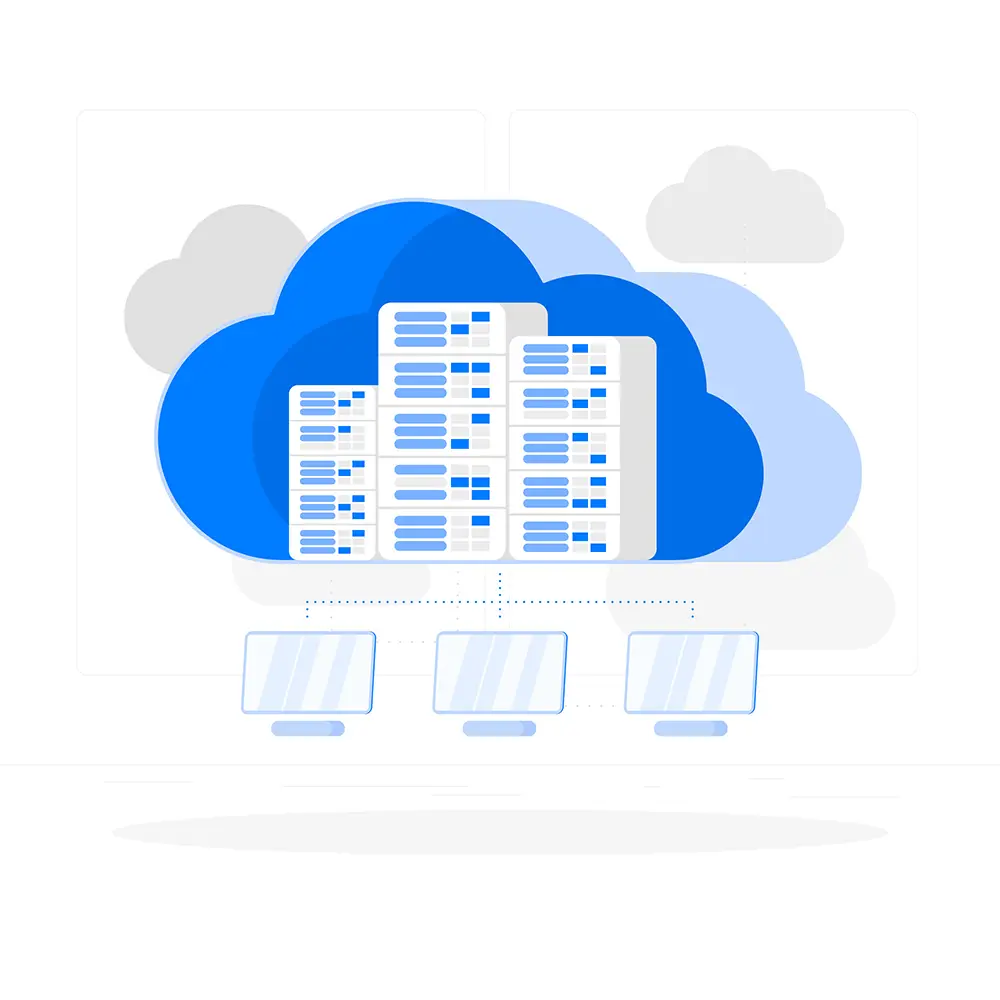
When evaluating document storage solutions, the choice between on-premises and cloud storage is significant. Cloud storage offers scalable, cost-effective options with the advantage of remote access, making it an increasingly popular choice for businesses aiming for enhanced document security and disaster recovery capabilities. On the other hand, on-premise solutions can provide more control over the way data and documents are stored and delivered. Some document management software provide hybrid features to allow documents and files to be stored both on-premise and in the cloud.
Implementing Data Backups and Disaster Recovery Plans
To safeguard your documents, a well-structured plan that regularly backs up data is crucial. This not only ensures the safety of your information but also provides robust security against potential data loss scenarios. A comprehensive disaster recovery strategy should encompass regular backups, ideally in multiple locations, to mitigate risks like natural disasters or cyberattacks. By prioritizing these actions, you’re not just protecting data but ensuring business continuity even in the face of unexpected events.
7. Version Control and Document Integrity
Ensuring the integrity of your documents involves maintaining a precise history of changes, which is where version control plays a vital role. This system tracks modifications and allows you to revert to earlier versions if necessary, safeguarding against accidental deletions or unauthorized alterations. Implementing version control is a proactive measure to prevent data corruption and maintain the consistency of your document repository.
The Role of Version Control in Document Security
Version control is indispensable for document security, acting as a guardrail against unintended modifications or loss. By maintaining an audit trail of who made what changes and when, you effectively deter unauthorized access and edits. This level of oversight is crucial for sensitive documents, where the accuracy and reliability of information are paramount. Moreover, it facilitates collaboration by allowing multiple users to work on documents simultaneously, without the risk of overwriting each other’s contributions.
Maintaining Document Integrity with Audit Trails
Audit trails, reinforced with electronic signatures, serve as a powerful mechanism to maintain document integrity. They provide a detailed log of who accessed a document, what changes were made, and when these activities occurred. This transparency helps in tracing any alterations back to their source, ensuring accountability. Electronic signatures add an additional layer of verification, confirming the identity of the person making the changes, thereby preventing unauthorized modifications and enhancing the security of your documents.

Skip the hard work
Finding the perfect document automation solution takes time and effort.
We’ll find the perfect document automation system that fits perfectly with your needs!
8. Secure Document Sharing and Mobile Security
In an era where remote work is becoming the norm, it’s crucial to manage the risk of unauthorized access through secure document sharing practices. Utilizing end-to-end encryption ensures that documents remain confidential during transmission. This approach not only secures document sharing across teams but also safeguards sensitive information from potential interception, establishing a secure environment for collaboration and communication.
Secure Document Sharing and Collaboration Tools
End-to-end encryption is a cornerstone of secure document sharing, ensuring that only authorized users can access the information. By implementing tools that use this level of encryption, you protect sensitive documents from being intercepted or accessed by unauthorized parties. This enables safe and efficient collaboration, allowing teams to share and work on documents without compromising security.
Strategies for Secure Document Sharing in Mobile Networks
Mobile networks pose unique challenges for document security, necessitating extensive security measures. To protect sensitive documents, implementing authentication protocols and employing multi-factor authentication are critical. Establishing comprehensive security policies that include data classification, selecting trustworthy cloud providers, and deploying extensive security measures shield your documents from cyber threats. Additionally, educating users on the importance of sharing documents securely ensures that your organization’s information remains protected, even on mobile networks.
Establishing Remote Work and Mobile Device Security Policies
As remote work becomes increasingly common, establishing mobile device security policies is essential. These policies should address the secure access and sharing of documents, the implementation of strong authentication measures such as multi-factor authentication, and the use of secure connections. By setting clear guidelines and providing the necessary tools and training, you can ensure that your team’s mobile work does not expose your organization to additional risks, and that access to your documents is only possible from trusted mobile devices.

9. Document and Data Retention Policies
Adhering to compliance requirements is a critical aspect of document management, necessitating well-defined document lifecycle and retention policies. These policies help in determining how long different types of documents should be retained and outline the procedures for their secure disposal. By developing a comprehensive data retention strategy, you ensure that your organization not only complies with legal and regulatory standards but also manages its storage efficiently, keeping only what is necessary.
Developing Effective Document Retention Policies
Effective document retention policies are vital for managing the accumulation of records while ensuring compliance with legal requirements. These policies should detail the retention periods for various types of documents and establish procedures for their secure disposal. By aligning these policies with compliance requirements, you safeguard your organization against potential legal challenges and optimize your document management processes.
Secure Disposal and Shredding of Sensitive Documents
When the retention period expires, sensitive documents must be disposed of securely. Document management software can facilitate the secure shredding of digital records, ensuring that they are permanently erased and unrecoverable. This not only helps in maintaining compliance with data protection regulations but also protects against data breaches by ensuring that sensitive information does not fall into the wrong hands.

10. Employee Education and Awareness Programs

One of the most effective defenses against security breaches is a well-informed workforce. Educating your employees about the latest security protocols and practices for document security empowers them to identify and mitigate potential threats. Regular training sessions should cover how to handle sensitive information properly and recognize phishing attempts or suspicious activities. This knowledge acts as a foundational layer of protection for your organization’s data security framework.
With the risk of data theft being ever-present, there is a critical need for security training and awareness. Instilling a culture of security awareness among your employees adds a critical layer of protection. Through comprehensive training programs, your staff becomes the first line of defense, equipped to recognize and respond to potential threats effectively. This not only minimizes the risk of data breaches but also fosters a proactive approach to document security, ensuring your organization’s resilience against cyberattacks.
The Future of Document Management Security
The future of document management security will continue to evolve with technological advancements such as AI and cloud services. As more organizations embrace digital transformation, the focus on securing electronic documents against unauthorized users and cyber threats will intensify. Enabling regular security updates and compliance with evolving regulations will be paramount in safeguarding sensitive information. The document management solution of the future will continue to improve on being flexible yet robust, capable of adapting to new security challenges while supporting organizational goals.

Final Thoughts on Document Management System Security
The landscape of document security is constantly evolving along with new security risks emerging in today’s digital age. While embracing innovation is key to staying competitive, it must not come at the cost of data security. Organizations must balance the adoption of new technologies with the need to protect digital data and intellectual property.
Protecting your documents requires a proactive approach to document and data handling. Companies must implement proper document management practices to ensure the security of their documents and company data. This includes regular audits, adopting new security technologies, and training staff on the importance of security. As data remains a valuable asset, ensuring the security of your documents is more crucial than ever.
Skip the hard work
Finding the perfect document automation solution takes time and effort.
We’ll find the perfect document automation system that fits perfectly with your needs!
Additional Resources
Document Management Security articles:
- How can you secure sensitive documents in document management software? – LinkedIn
- Enhancing Document Security and Access Control: Best Practices – LinkedIn
- The Role of Cybersecurity in Your Document Management Strategy – Cyber Management Alliance
- Keep it secret, keep it safe: the essential role of cybersecurity in document management – CSO Online
Document management articles:
- Best Document Management Software of 2024 – U.S. News
- Best document management software of 2024 – TechRadar
- Best Document Management Software – G2
- Document Management Software – Capterra
- 10 Best Document Management Software to Get Organized in 2024 – ClickUp
- The best document management software – Zapier